Abdominopelvic cavity
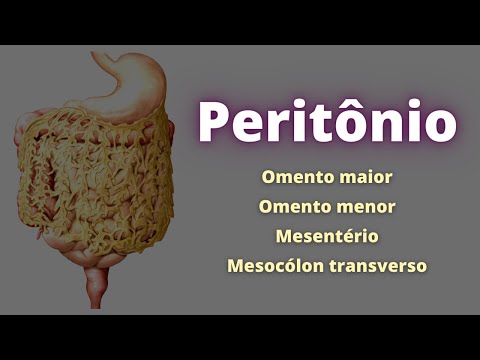
The abdominopelvic cavity is a body cavity that consists of the abdominal cavity and the pelvic cavity. The upper portion is the abdominal cavity, and it contains the stomach, liver, pancreas, spleen, gallbladder, kidneys, small intestine, and most of the large intestine. The lower portion is the pelvic cavity, and it contains the urinary bladder, the rest of the large intestine, and the internal reproductive organs.
The stomach sits on the left side, which is attached to the esophagus tube. Food comes through the esophagus, goes behind all of the other organs in the thoracic cavity, and comes out through the point where the esophagus opens up into the stomach. The stomach is a more acidic environment to aid its role in beginning the major processes of digestion. The bolus must be mechanically and chemically broken down before entering the small intestine. The small intestine is about 20 feet long and goes behind the large intestine, forming a mass of curly tubing. It is divided into three parts: the duodenum, jejunum, and the ileum. The duodenum receives excretions from various organs such as the pancreas and spleen. The pancreas produces the hormone insulin, which helps regulate blood sugar. The second part is the jejunum, which is located in the middle of the small intestine. The final part of the small intestine is the ileum, which leads into the large intestine. The ileum leads to the ileum cecum valve, which is the beginning of the large intestine. The large intestine, also known as the large bowel, is the last part of the gastrointestinal (GI) tract and of the digestive system.
Imagem: EUSKALANATO · BY-NC-SA · Openverse
The stomach can be affected by diseases. Helicobacter pylori, previously known as Campylobacter pylori, is a Gram-negative, microaerophilic bacterium infection usually found in the stomach. People who are infected with Campylobacter pylori should drink extra fluids as long as the diarrhea lasts. Antibiotics are needed or prescribed to people who are very ill or at high risk for severe disease, such as people with severely weakened immune systems. This includes people with HIV/AIDS, those receiving chemotherapy, and those with the blood disorders thalassemia and hypogammaglobulinemia. One disease that affects the lining of the GI tract is Crohn's disease, which is a chronic inflammatory condition. Crohn's most commonly affects the end of the small bowel (the ileum) and the beginning of the colon, but it may affect any part of the GI tract. Crohn's disease affects both the large and small intestine.