Ibn Hajar al-Haytami
Shaykh al-Islām Shihāb al-Dīn Abū al-ʿAbbās Aḥmad ibn Muḥammad ibn ʿAlī ibn Ḥajar al-Haytamī al-Makkī al-Anṣārī known as Ibn Ḥajar al-Haytamī al-Makkī was a renowned Sunni Egyptian scholar. He was the leading jurist of the Shafi'i school of thought, a mujtahid, muhaddith, historian and theologian. He came from the Banu Sa'd tribe who settled in the Al-Sharqiah province in Egypt. Ibn Hajar was specialized in Islamic Jurisprudence and well known as a prolific writer of the Shâfi'î school. With Shihab al-Din al-Ramli, he represents the foremost resource for fatwa for the entire late Shâfi‘î school.
Birth and education
Ibn Hajar al-Haytamī was born in 909 AH (1503 AD) in the small village Abū Haytam in western Egypt. When he was a small child, his father died and his upbringing was left to the charge of his grandfather. His grandfather was known to the locals as the "stone" because of his pious nature. The nickname came from people saying he was "silent as a stone". This was due to the fact that he seldom spoke and when he did it was greatly revered for his religious knowledge. His grandfather died, however, shortly after his father and his father's teachers Shams Dīn b. Abi'l-Hamā'il and Shams al-Dīn Muhammad al-Shanāwī became his caretakers. As a child he began his studies with the memorisation of the Qur'an and Nawawi's Minhaj. His caretaker al-Shanāwī decided that al-Haytamī should continue his elementary education at the sanctuary of Sayyid Ahmad al-Badawī in Tanta.
Teachers
After completing his elementary education, Ibn Hajar al- Haytamī continued his schooling at al-Azhar where he studied under many scholars.
Migration to Mecca
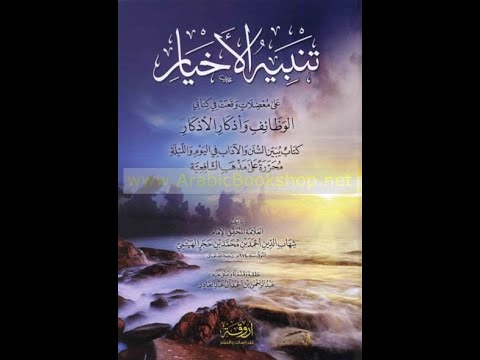
Sheikhuna Al-Haytamī performed the Hajj in the year 1527 with one of his teachers al-Bakri. It was during this trip that al-Haytamī decided to begin writing fiqh. He returned to Mecca in 1531 and stayed there a year before returning home again. During this visit al-Haytamī worked on a compilation of notes which he would later use in his authorship to write commentaries. The last time he traveled to Mecca was in 1533, this time he brought his family and decided to permanently reside there. His life dedication in Mecca began to be writing, teaching, and issuing fatwa. He authored major works in Shāfiʿī jurisprudence, hadīth, tenets of faith, education, hadith commentary, and formal legal opinion. It was at this time he wrote his most notable work, which was called "Tuhfat al-Muhtaj bi Sharh al-Minhaj". This work was a commentary on Imam Nawawi's writing "Minhaj al-Talibin". Ibn Hajar al-Haytamī's commentary became one of the two authoritative textbooks of the Shafi’i school.
Death
Ibn Hajar al-Haytamī died in 1566 AD/974 AH in Mecca, in the month of Rajab. He was buried in the cemetery of Ma'lat.